IPF mainly targets improve indigenous pastoralist community participation development by strengthening their Institutional leadership capacity for foresting cohesion and integrative dialogue to enhance good gender equality, good Governance and accountability for better social justice, social rehabilitation, social education, social health and Environmental conservation.
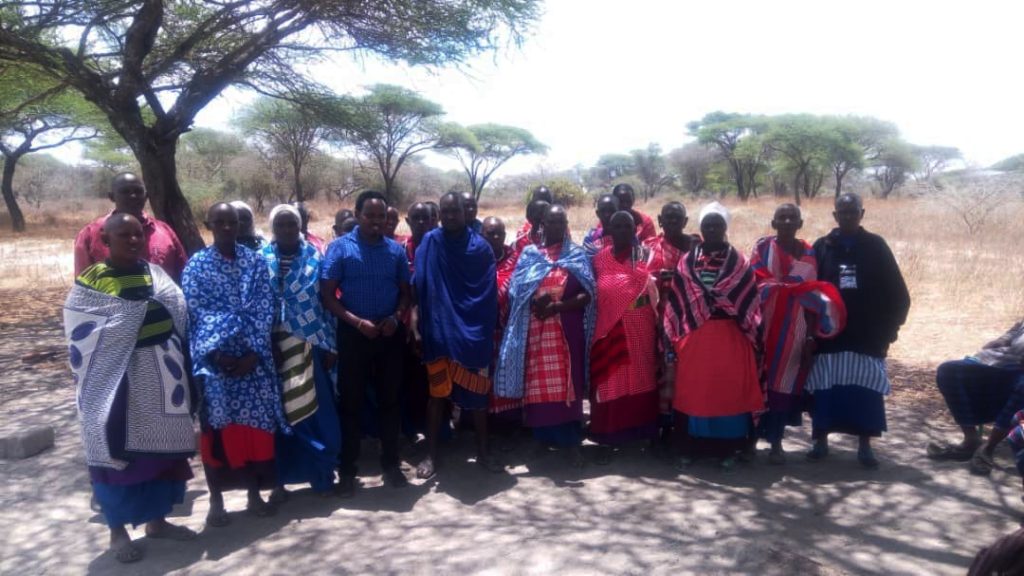
Our Mission featured in:
Eliminate Female Genital Multination and Child Marriage in indigenous communities.
Eliminate Gender Discrimination in indigenous communities.
Encourage civil participation of girls and women and contribute to both political and legislative process through capacity building civic education and advocacy.
Providing access to education to the poor and the needy in our communities.
Support women empowerment for sustainable development goals {SDGs}.
Facilitate community building capacity on construction of pre schools, primary school and secondary school for better community future.
Facilitate community building capacity on construction of health center for better life.
Mobilize community building capacity to conserve environment.
Fighting the root cause of child labor and promoting children’s rights.
Promoting reproductive rights and the right to sexual health.
Protecting Women’s Rights.
Reducing HIV/AIDs Discrimination and Exclusion.
Facilitate community building capacity on Family Planning.
Support Our Cause:
-
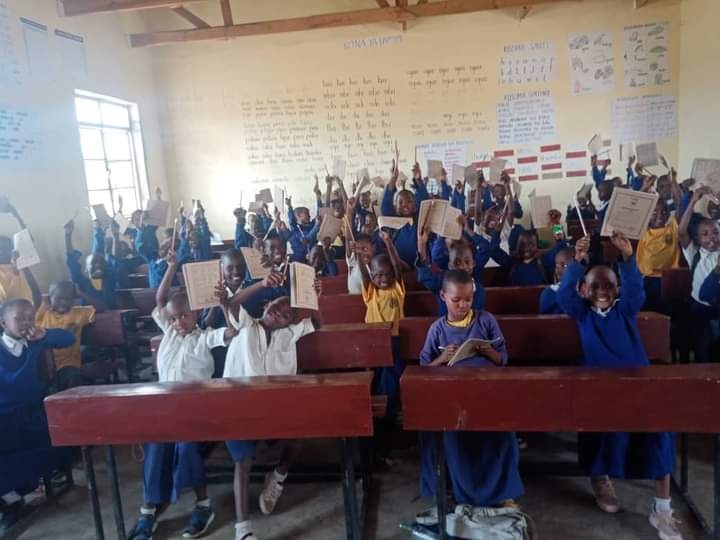
Support Children Education
Education is a vital human right, yet most of the world’s people living in extreme poverty lack basic education. We’re committed to changing that in our community. The indigenous Pastoralist Foundation empowers local residents to take the lead in bringing education and opportunity to their communities. The indigenous Pastoralist Foundation works to seek support from
-
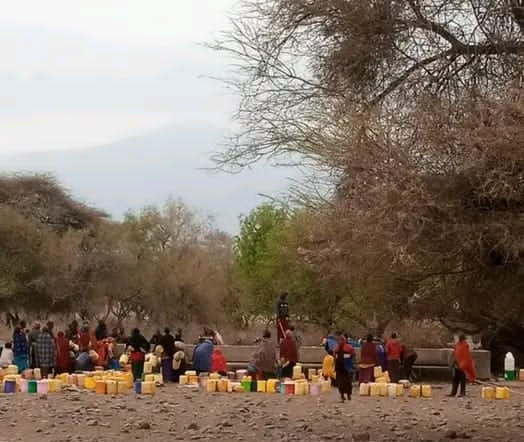
Clean Water Issues
Clean water, sanitation and hygiene for every child: Access to clean water, sanitation and hygiene gives children and their families a chance to flourish. We believe every child deserves – and has the right – to use safe water and live in a clean environment. Clean water, a clean environment, and good hygiene practices are
-
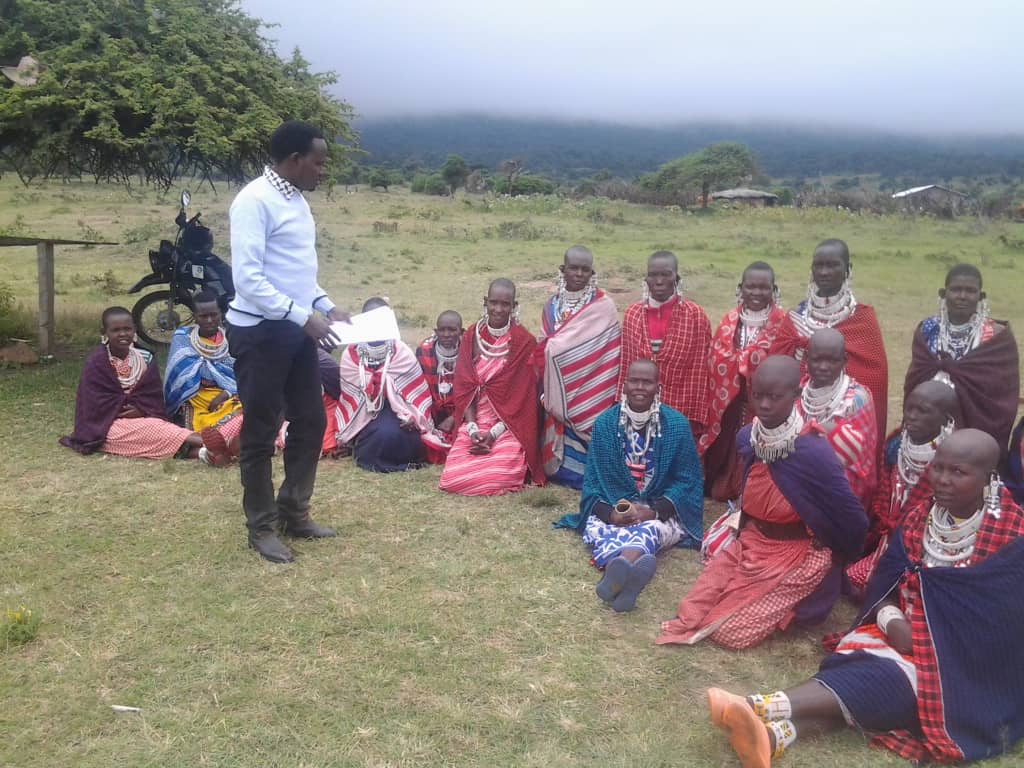
Women empowerement
Women’s empowerment has five components: women’s sense of self-worth; their right to have and to determine choices; their right to have access to opportunities and resources; their right to have power to control their own lives, both within and outside the home; and their ability to influence the direction of social change to create a