Widows Programs:
The Indigenous Pastoralist Foundation seeking support from stakeholders to implements the following program for the aim of empowering widows in the community:
1. Enhancing the capabilities of young and middle-aged widows (economic and social empowerment)
Under this program, IPF aiming to supports widows and destitute women in the community, by building economic sustainability and resilience amongest them so that they can support themselves and their children in a sustainable way.
Under this program, IPF aiming to supports widows and destitute women in the community, by building economic sustainability and resilience among-est them so that they can support themselves and their children in a sustainable way.
- Providing entrepreneurship training for them to acquire skills that will help them undertake small income-generating projects/activities.
- Helping them to obtain land for farming since the majority of them inherited small pieces of land or never inherited one after the death of their husbands.
- Providing a forum for information sharing on available opportunities and resources for women empowerment, awareness on their human rights, and health information.
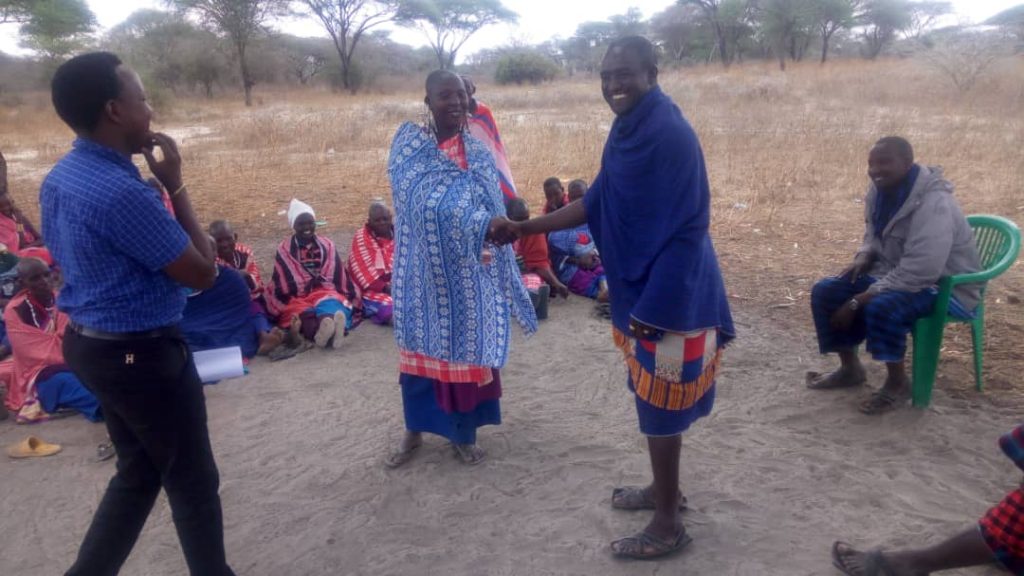
2. Human rights awareness and advocating against harmful traditional practices
IPF sensitizes widows and rural communities on the human rights of widows so as to prevent violation of such rights and take action whenever they are violated.
It advocates against traditional cultural practices that perpetuate injustice against widows such as widow cleansing which violates the dignity of a widow, disinheritance issues, property grabbing, and related issues.
The organization will establish information centres in selected villages which will serve as resource centres and platforms for rural widows to receive and share information concerning human rights, sexual and reproductive health, as well as available opportunities for their empowerment.
Education support for orphans and destitute children:
“A common consequence of widowhood in traditional societies is the withdrawal of children from school. Girls are likely to be the first affected; they are needed to care for younger siblings while the widowed mother begs or works, or they must find work themselves. Girls who leave school too soon are more likely to become child brides and child mothers, potentially causing damage to their reproductive health and limiting their chances for economic autonomy.” (United Nations Division for the Advancement of Women, 2001).
Widows who live in poverty and destitute families withdraw their children from school for two main reasons. First, because they cannot afford to provide the educational needs for their children such as uniforms, books, school fees, and other related needs. Secondly, because they need their children to help them (mothers) earn an income to support the family.
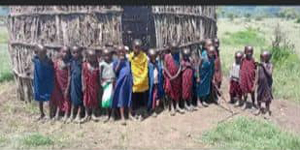
In order to help widows and destitute families headed by women reduce the burden of taking care of the schooling costs of their children, IPF provides material support to orphans and destitute children as a way of retaining them in school.
In addition to educational material, girls are provided also with sanitary materials that will help them when they are in their monthly cycle which affects the school attendance for the majority of girls in rural areas.
Missing classes because of lack of protective gears during their monthly period might affect their performance in school in the long run. With this kind of support, the money that their mothers will serve from the schooling costs of their children will be used for other family necessities thus relieving the mothers from the burden of costs to some extent.